
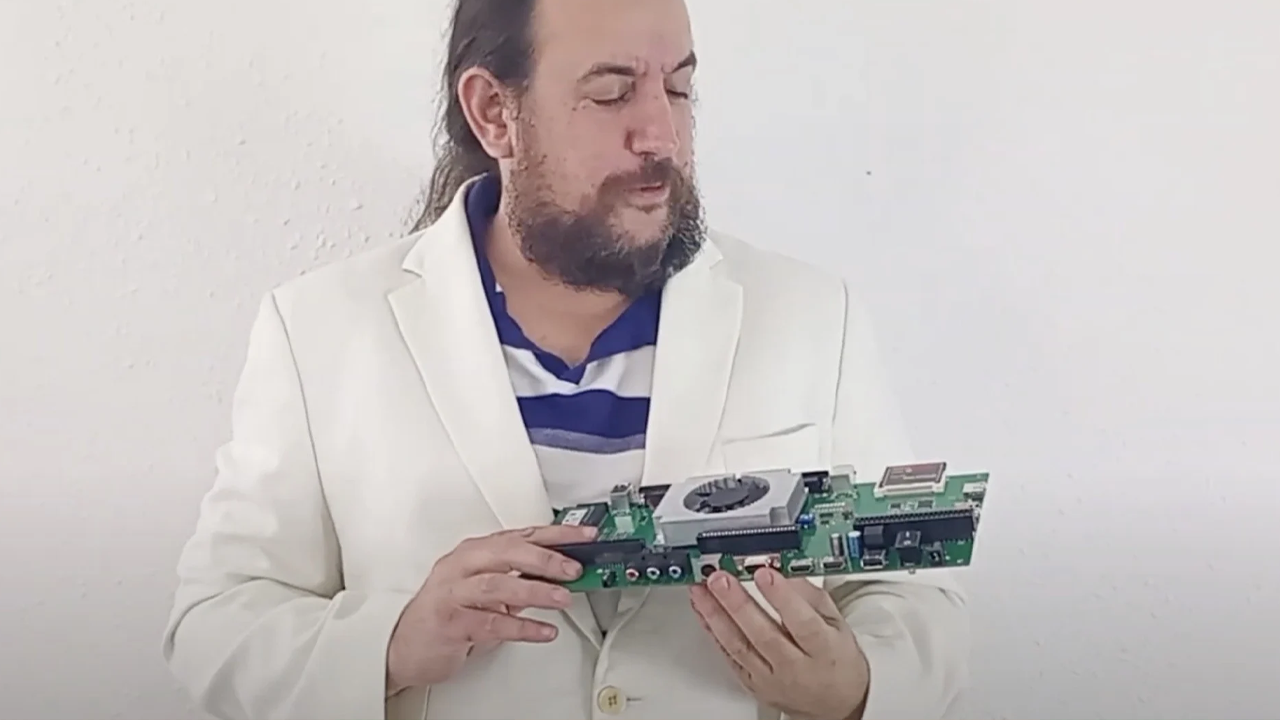
An Ambitious Vision That Raised Immediate Questions
The long running SuperSEGA FPGA console saga has officially come to a close. After years of bold promises, shifting explanations, and growing skepticism, the project has ended without ever delivering a finished, consumer ready product.
SuperSEGA positioned its FPGA console as an ambitious all in one Sega focused system, promising hardware accurate support for multiple Sega platforms. At various points, claims even extended to Dreamcast level support. While these statements initially generated excitement, they were quickly met with doubt from FPGA developers and retro hardware enthusiasts who questioned both the technical feasibility and the scope of the project.
No Verifiable Progress or Working Hardware
A central issue throughout SuperSEGA’s existence was the complete lack of verifiable progress. Despite repeated statements suggesting development milestones and near term breakthroughs, no functional FPGA prototype was ever publicly demonstrated. There were no independent hands on tests, no detailed technical breakdowns of the hardware, and no evidence that custom cores were running on real FPGA hardware.
The Funding Model and Backer Fallout
Beyond the technical concerns, the project became increasingly controversial due to its funding model. Supporters were initially asked to place a 3 euro deposit, presented as a low risk way to reserve a unit. At a later stage, however, backers reported that the full price of the console was taken, despite there being no finished hardware, no confirmed manufacturing pipeline, and no clear delivery timeline.
As delays mounted and communication became increasingly unclear, multiple supporters stated that they were unable to obtain refunds. This escalated frustration within the community, especially as no tangible proof of development was ever provided to justify the charges. For many backers, this marked the point where skepticism turned into anger.
Shifting Narratives and Manufacturing Claims
Over time, SuperSEGA’s narrative repeatedly changed. Manufacturing plans, partnerships, and timelines were announced, revised, or quietly abandoned. Each change further eroded confidence, reinforcing the perception that the console existed primarily as an idea rather than a real, progressing product.
Branding and Licensing Concerns
Concerns were also raised about branding and licensing. The project leaned heavily on Sega’s legacy and imagery, without clear confirmation of official approval or licensing. Combined with the lack of technical transparency and the handling of supporter funds, this added legal and ethical uncertainty to an already fragile situation.
Accusations of Vaporware and Scam Allegations
As confidence collapsed, a growing portion of the community went further, openly stating that they believed the entire console project was a scam. While SuperSEGA never admitted to any wrongdoing, the combination of unfulfilled promises, money taken from supporters, shifting explanations, and years without demonstrable results led many observers to conclude that the project was never viable.
The Final Email to Supporters
The definitive end came via an email sent to supporters titled “THIS IS THE END”. In the message, SuperSEGA stated that after weeks and months of uncertainty, the project was officially over. They confirmed there would be no more videos and no further news, unless a resurrection were to occur, something they described as almost impossible.
The email also addressed the long discussed manufacturing plans for the Super SegaDOS Mini. According to SuperSEGA, email exchanges with the Asian company expected to produce the system concluded on December 12, 2025, with the manufacturer indicating that they could not proceed. SuperSEGA noted that this was their interpretation of the final communication and claimed that these email exchanges were being passed confidentially to select media outlets.
A farewell video was announced for later that same day, and the email closed with the line, “Keep your good old games alive, forever.”
A Costly Lesson for the Community
By the time of this announcement, much of the retro and FPGA community had already written SuperSEGA off as vaporware. For many supporters, however, the shutdown represented more than just the end of a failed idea, it confirmed the loss of money they had trusted to the project.
The SuperSEGA FPGA saga ultimately stands as a cautionary tale within the retro hardware space. Ambition alone is not enough. Transparency, accountability, and demonstrable progress are essential, especially when real money from supporters is involved.
Check out the video by Pixel Cherry Ninja about all this:
Not sure why this is even covered. Talking about ambitions… the person already scammed with another project before, why do you even give this people a place in the news