
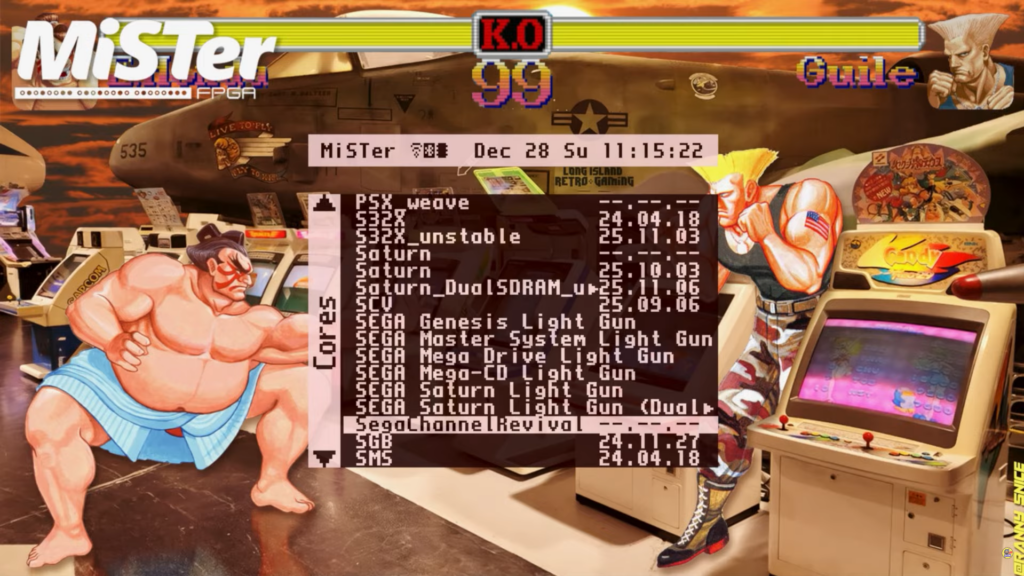
While the SEGA Channel was a technological marvel of the mid-90s, the full experience, including its iconic menus, music, and seasonal broadcasts, was lost for decades after the service shut down in 1998. However, breakthroughs in the retro gaming scene have brought this “lost” piece of gaming history back to life, with the latest being on the MiSTer FPGA.
The MiSTer FPGA Revival
The revival is the result of a collaboration between key figures in the preservation scene. Developer Shane Lynch modified the SEGA Mega Drive core to accommodate the unique way the original SEGA Channel hardware handled data. Unlike a standard cartridge, the SEGA Channel required a specific memory configuration to “catch” a continuous stream of data.
To make the service playable today, Billy Time Games developed a “Sega Channel Revival” project. This project curates original data into “monthly” packages that recreate the service as it appeared during its original run.
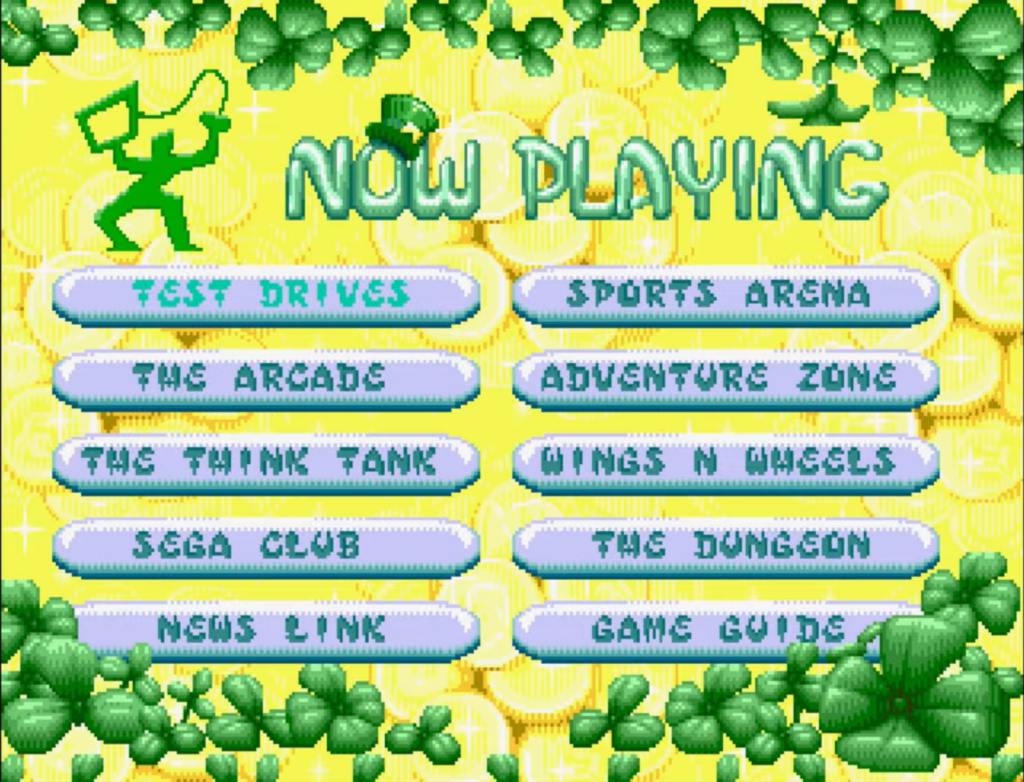
- Authentic Interface: When launched on a MiSTer, the system loads the original 1990s animated menus and music.
- Seasonal Themes: The revival preserves the service’s famous seasonal touches; for instance, in December, the SEGA Channel mascot “Sega Pat” transforms into Santa Claus, and in November, a turkey appears on the menu.
- Loading Experience: Because the MiSTer must load an entire monthly library (often dozens of ROMs and menu data) at once to simulate the broadcast, it typically takes 30–40 seconds to initialize, mirroring the original hardware’s start-up time.
You can grab all you need for the MiSTer set up by clicking here.

What was the SEGA Channel?
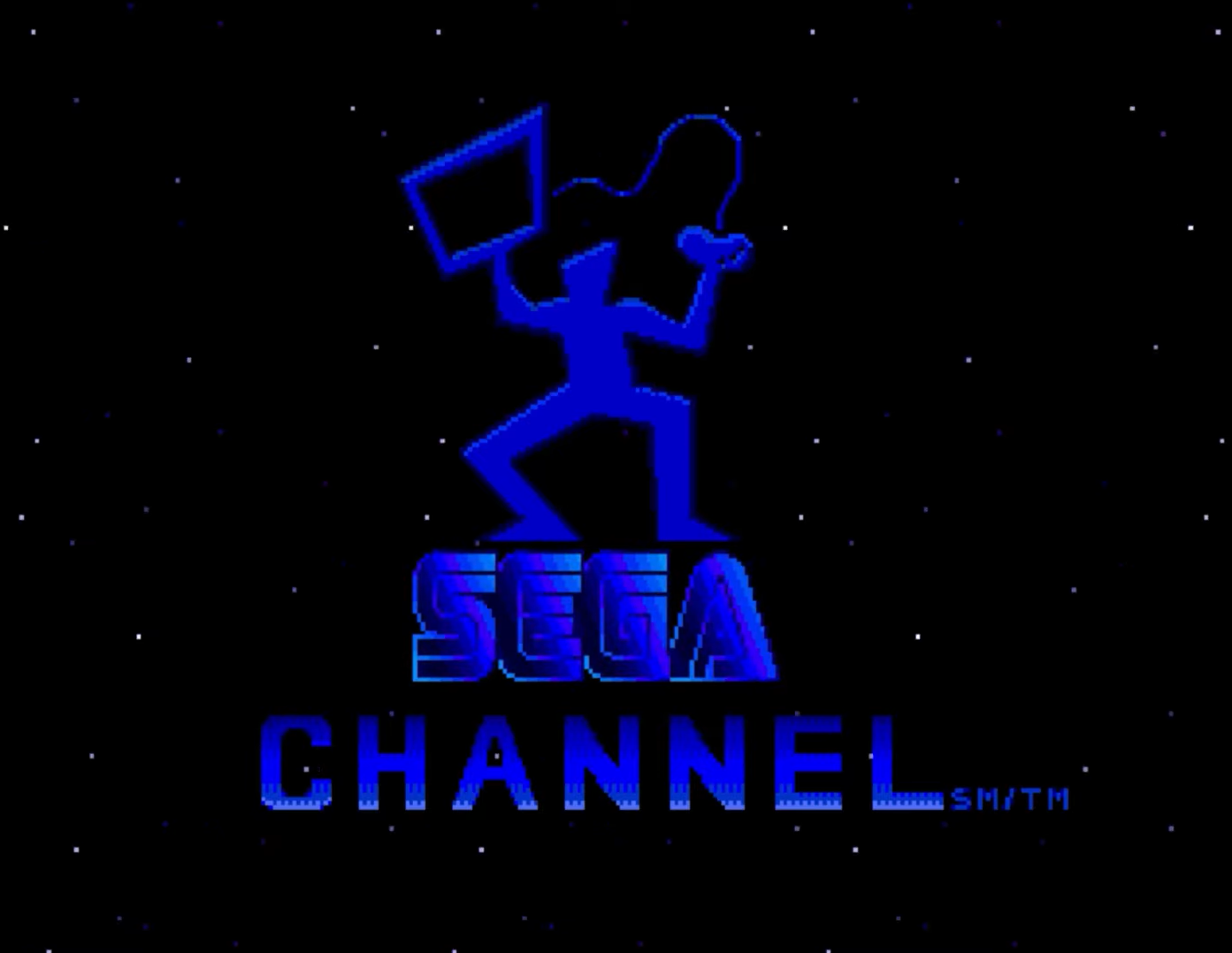
For those who didn’t grow up with it, the SEGA Channel was a pioneering “games-on-demand” service for the SEGA Mega Drive (Genesis). Launched nationwide in late 1994, it allowed subscribers to download and play a rotating library of games through their cable TV provider.
How the Technology Worked
The service was essentially a one-way broadcast. Every month, SEGA would burn a new library of games onto a CD-ROM and send it to a satellite uplink facility in Denver. From there, the data was beamed to local cable providers, who then broadcast the games in a continuous, repeating loop over a hidden frequency on their cable lines.
- The Adapter: Subscribers received a large cartridge that plugged into the SEGA Mega Drive and connected to the wall via a coaxial cable.
- Volatile Memory: The adapter contained 4 MB of DRAM, allowing it to hold one game at a time. Because the memory was volatile, games were erased the moment the console was turned off or reset.
- Speed: Despite the era’s slow dial-up speeds, the SEGA Channel delivered games at roughly 6 Mbps to 12 Mbps. This meant a full game could be “caught” from the broadcast stream and downloaded in less than a minute.
Content and Exclusives
The service was a massive value for its time, usually costing around $15 per month. It hosted up to 50 games at once, including:
- Full Retail Hits: Popular titles like Sonic the Hedgehog, Streets of Rage 2, and Mortal Kombat.
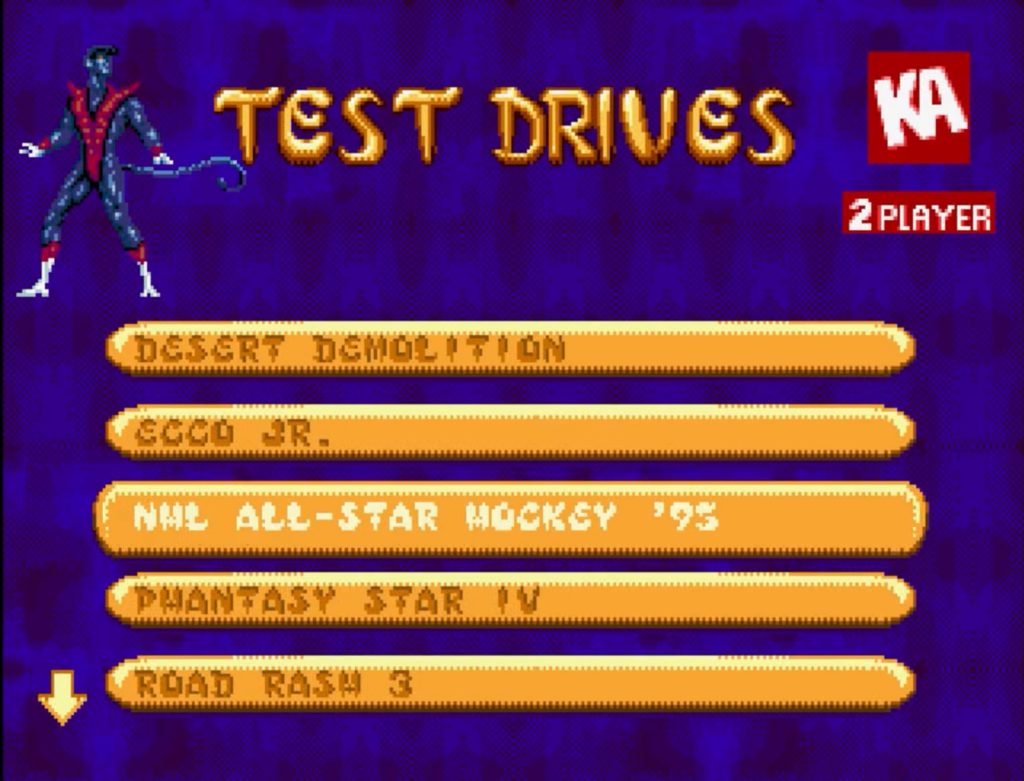
- Test Drives: Demos of upcoming games, allowing players to try before they bought.
- Exclusives: The service was a haven for games that never saw physical releases in North America, such as Mega Man: The Wily Wars, Alien Soldier, and Pulseman.
- Express Games: A precursor to modern DLC where users could pay a one-time fee (roughly $2.95) to access special “premium” titles through their cable operator.
The SEGA Channel was a visionary service that arrived nearly three decades before “cloud gaming” became a household term. Its revival on platforms like the MiSTer (and possibly upcoming support for the Analogue Pocket) ensures that this unique chapter of digital distribution is preserved for future generations.